
The importance of sleep
This is a really interesting subject for me personally and if you have read my previous articles I often refer to the below diagram called the “Clarity of the mind”. This is a diagram that I created to try and visualize my mind when I suffered from burn out and work up in an ambulance on the way to work. You can read the article here and it was the catalyst of this project.
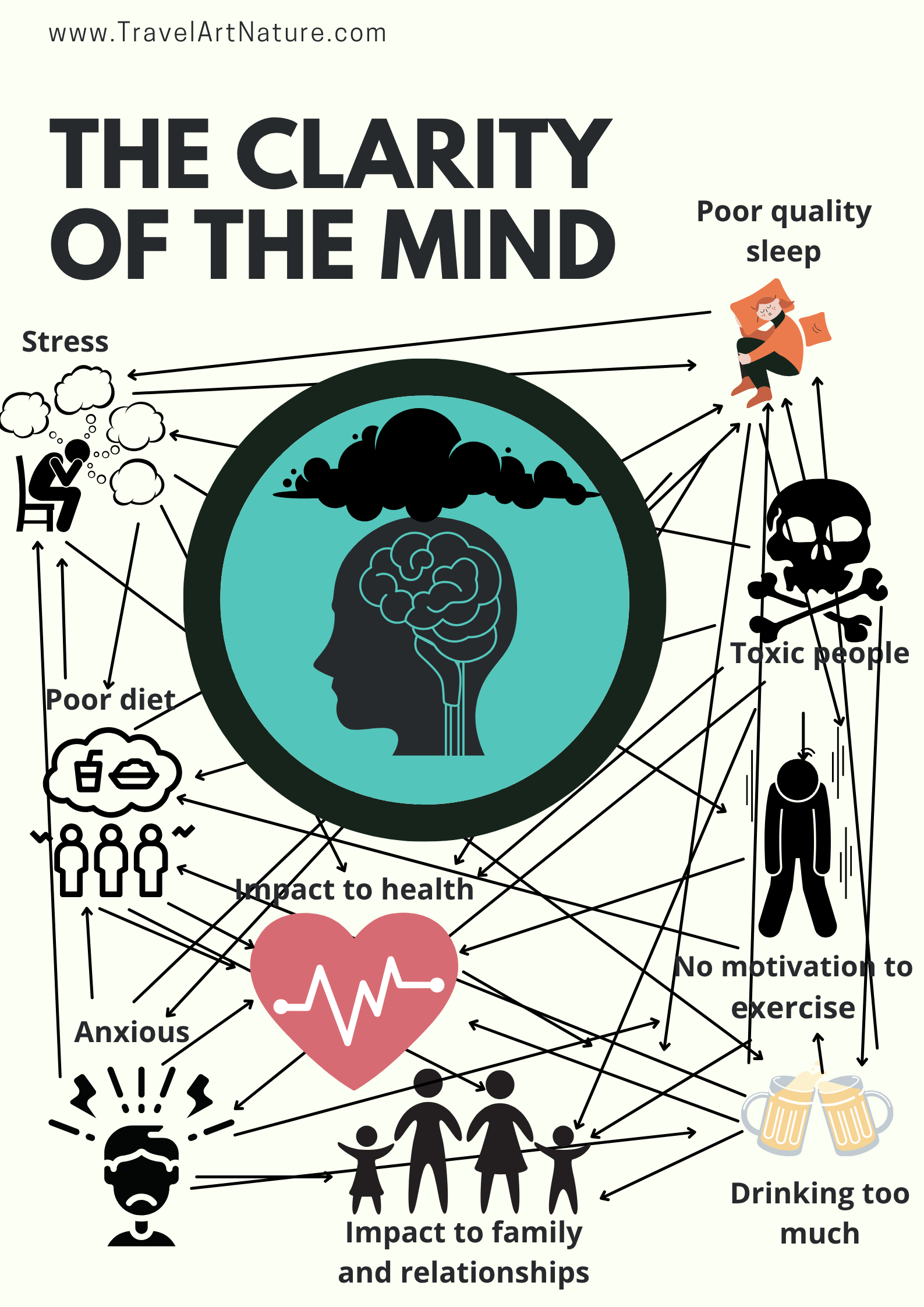
At the time of this incident my sleep was very sporadic and on reflection was still really grieving for my dad and so many aspects of my daily habits and routine were contributing to me poor sleep, maybe 4 hours a night or waking up at 2am and not able to fall asleep again. That painful period of the night when it is dark and quiet and you can not get back to sleep.
According to YouGov, 75% of British people get less than the recommended eight hours of sleep and most people average five to 6 hours and the quality of sleep is often poor quality. If the same figures apply globally then that is an astonishing number of people that are not getting enough sleep.
why is sleep important?
Sleep is essential for a number of reasons, and it is important for maintaining good health and overall well-being. Some of the key reasons why sleep is so important include:
1. Physical restoration: During sleep, your body works to repair and restore itself. This includes repairing muscles, organs, and other tissues, as well as regenerating cells and releasing important hormones.
2. Mental restoration: Sleep is also essential for cognitive function, including learning, memory, and problem-solving. When you sleep, your brain consolidates and processes information from the day, helping you to better retain and use that information.
3. Energy conservation: Sleep also helps to conserve energy by allowing your body to rest and recharge. This can help you feel more alert and energetic during the day.
4. Mood regulation: Sleep is important for regulating emotions and mood. Lack of sleep has been linked to increased irritability, anxiety, and depression.
Overall, getting enough sleep is crucial for your physical and mental health, and can help you to feel your best both during the day and over the long term.
Metabolism and sleep
Scientist have proven that your body handles fat based on your circadian clock and they have evidenced that the lack of quality sleep can lead to:
· Higher levels of the hormones that control hunger, including leptin and ghrelin. Leptin is a protein hormone and it signals the brain to tell you when to stop eating. Leptin resistance can be caused by dehydration, emotional depression, and stress. Therefore, your brain does not receive the signal to stop eating. The key for this project and programme is to introduce healthy daily habits to your routine. You can improve your leptin performance by drinking more water, reduce carbohydrate intake, increase exercise, reduce stress, eat more protein, avoid highly processed food, reduce sugar intake and eat fibre rich whole foods. Please read my article, The importance of fibre in your diet.
Ghrelin does the opposite of Leptin and stimulates your appetite and if you are constantly over eating your stomach stays stretched and then your brain gets confused and can not distinguish between real and perceived hunger.
· Decreased ability to respond to insulin and can lead to diabities
· Increased consumption of food, especially fatty, sweet and salty foods
· Decreased physical activity
I can resonate with all of the above and at the time of my seizure my diet was very poor and I am sure you can resonate with the above. The morning commute when you have had a poor nights sleep and you just crave a strong coffee and maybe a bacon sandwich or a large croissant.
As you can see from the above and my image “ The clarity of the Mind”, sleep is just an important daily habit that we can focus on to trigger the start to our new healthy habits.
Impact on cognitive functions on the lack of sleep
Sleep is critical for learning and the formation of long-term memories and the lack of sleep affects performance of daily activities, including driving, work and study. This really resonates with me and the period after my dad’s passing, I was really struggling with sleep. Grief is a very personal journey but after his passing I jumped straight into organizing mode, plan the funeral, look after his bills and ensure mum was ok and my mind was overactive. I would wake up at night and think about the funeral, ask questions about his stroke, his time in hospital and was there anything I could have done differently ? Three weeks after his passing my friend offered to take me to a football game to see Oxford United play and to spend some quality time with my son. When we returned from the game, I managed to reverse the car on the drive and straight into the garage door! Over time it has become a family joke, “ Do you remember when Dad nearly destroyed the house?”. It is a real personal experience of how sleep deprivation can seriously impact our thinking and our daily reflexes.

Daily s habits to improve the quality of your sleep.
I have included a few from my research and my own personal experiences/new habits.
1. Form a non negotiable pre bed habit
As I have mentioned previously your mind and brain our powerful tools and they thrive on habits. Studies have shown that your brain recognises a daily habit and associates it with sleep and you must repeat the same habit upto 30 minutes every night. It could be having a bath, lighting a candle, saying your prayers, meditation, reading your book or writing your diary. Not looking at your phone and reading your work e-mails !
My nightly habit that really impacted my sleep was watching the News before I went to bed. In the United Kingdom the late night news is on at 10pm. It was a habit that I incorporated into my routine as it made me feel close to my dad. My dad watched the news very night and he was passionate about global current affairs and especially International politics that negatively impacted people. He was a very emphatic and intelligent person and loved to debate local and International politics and help raise funds via the local church for Global emergencies such as natural disaster, wars or famine.
I have stopped watching the news at night because I have inherited the empathy trait from my dad and the news can be very depressing and not a great start to a sleep routine ! Consuming news and understanding current affairs is very important but with 24 hour access I ensure that I read or watch the news when I feel mentally awake to consume and process the content, for example ion my train commute to work.
2. Stick to a consistent sleep schedule: Try to go to bed and wake up at the same time every day, even on weekends.
3. Create a relaxing bedtime routine: Develop a relaxing routine to signal to your body that it's time to wind down. This could include taking a warm bath, reading a book, or listening to calming music. I personally read my book and this daily habit has become the trigger for my brain to enter sleep mode and the quality of sleep has dramatically increased.
4. Limit your exposure to screens: The blue light emitted from electronic devices can interfere with your body's natural sleep rhythms. Try to limit your screen time before bed or use blue-light-blocking glasses. I have configured my phone to turn off all notifications after 10pm and the phone will go into sleep mode from 10pm to 7 am. I still use the phone as an alarm but I will not look at my phone or read messages after 10pm and I will not read the messages in the bed in the morning. Like most people I had a terrible habit of reading social media, work e-mails or watching ridiculous videos on TikTok.
5. Create a sleep-conducive environment: Your bedroom should be dark, quiet, and cool to promote restful sleep. Consider investing in blackout curtains, earplugs, or a white noise machine.
6. Exercise regularly: Exercise can improve sleep quality, but be sure to avoid working out close to bedtime. I try to exercise early in the morning and that fits into my routine but try not to exercise before you go to bed as from my own personal experience it can take a while for your body to unwind.
7. Watch your caffeine intake: Caffeine can interfere with sleep, so try to limit your intake, especially in the afternoon and evening. I have incorporated this into my routine and when I analysed my daily habits I realized that I was drinking a large coffee at 3pm every day. ( and maybe biscuits and muffin.). I realized that this became a habit to try and give me more energy late in the afternoon. Different studies highlight that caffeine can take 6 to 8 hours to leave your blood stream/body and can impact your ability to sleep. I no longer drink coffee after mid day and I have replaced with Green tea. Green tea has been drunk for centuries and many scientific papers have been published about the benefits such as Green tea as natural antioxidants that can help protect cells from damage, help improve brain function, including increased focus, alertness, and mental clarity.
8. Consider relaxation techniques: Techniques such as deep breathing, meditation, and yoga can help to relax your body and promote restful sleep. During my research I have read many articles and papers on the benefits of meditation and breathe work. Please read my dedicated article but breathing and meditation techniques have really helped me with stress management and especially for sleep improvement.
By incorporating these strategies into your routine, you may find that you are able to improve your sleep quality and feel more rested and energized during the day. Incorporating new sleep habits will take time but you will see the improvement and an uptick in your mood and energy levels to incorporate other healthy habits such as exercise and healthy eating habits. Remember this is a long term change and it will take time to see the improvements but please be patient and do not give up. Finally, please review the above image again, “The clarity of the Mind.”, the image shows how our bad habits can lead to the next bad habit, for example a poor nights sleep means we have no energy for exercise and make poor nutrition decisions. Make small daily changes and the impacts will grow over time to become a consistent healthy routine. However, if you continue to experience difficulty sleeping, it's important to consult with a healthcare professional to rule out any underlying medical conditions.